Manual registration
Film is trimmed and registered piece by piece. During printing, the frame is pushed and the mesh stretched with tape to shift local areas of the image, gradually closing in on the correct registration.
ScanFit connects printed-sheet scanning, artwork registration, distortion compensation and digital platemaking into one complete workflow. Instead of trimming film, pushing screen frames and stretching mesh with tape until registration looks right, the correction is calculated before the screen is ever made.

The real bottleneck is not simply misregistration. It is that complex deviation has to be judged, trial-printed and corrected again and again by an experienced operator.
Film is trimmed and registered piece by piece. During printing, the frame is pushed and the mesh stretched with tape to shift local areas of the image, gradually closing in on the correct registration.
The actual printed sheet is scanned to establish a true position and distortion baseline. Registration and compensation are then carried out automatically in software before a new plate artwork is output.
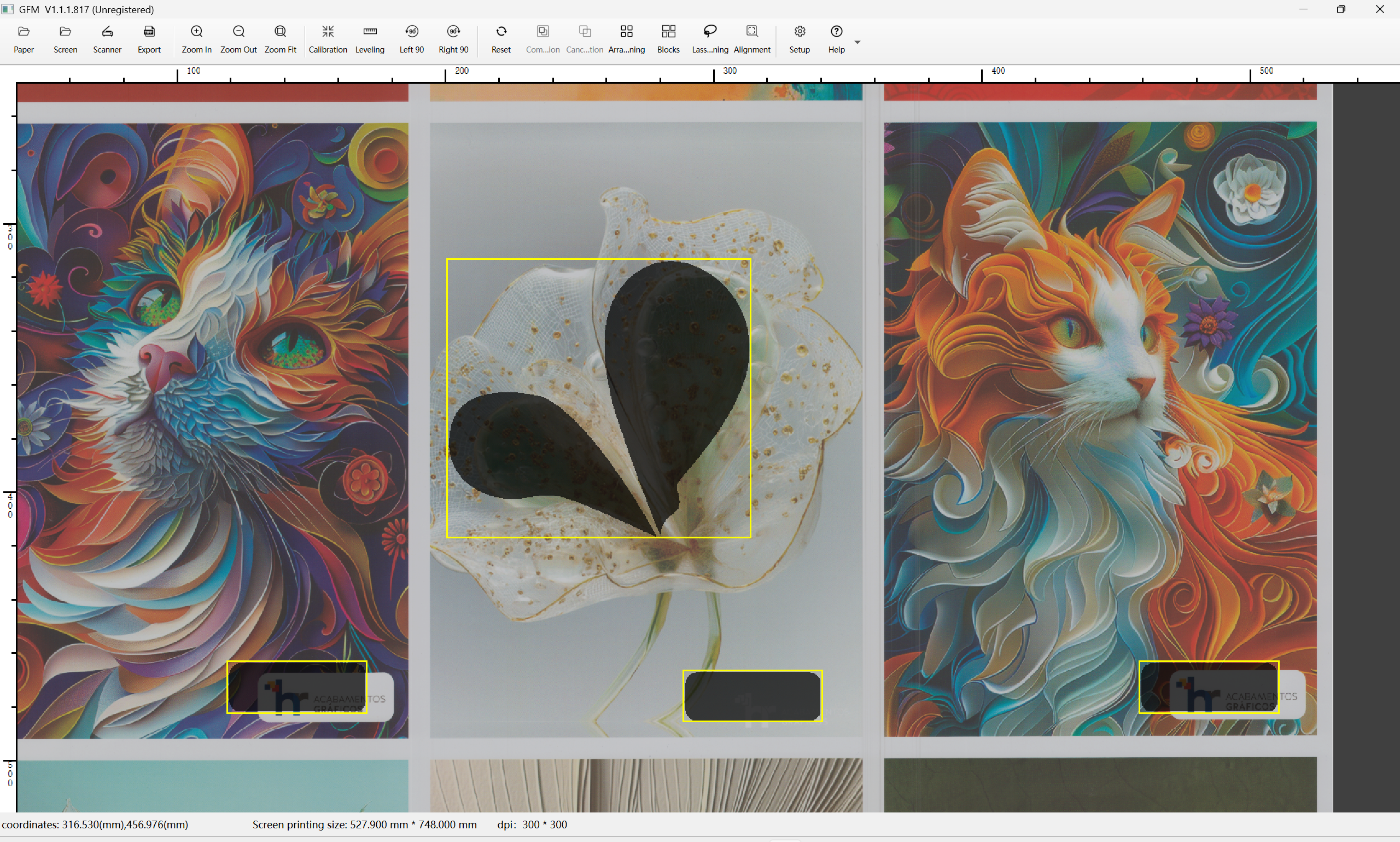
ScanFit takes the real printed sheet as its reference and builds a relationship between the artwork to be screen printed and the scanned image. It analyzes position, rotation, scale change and local deviation per region, then corrects the artwork automatically so the new plate artwork matches the true printed state far more closely.

Judgement and adjustment that used to happen around the press are now concentrated in the digital stage before platemaking.
Capture actual image position and material distortion.
Set up the scanned sheet and design artwork together.
Identify correspondence and calculate global deviation.
Correct artwork locally, region by region.
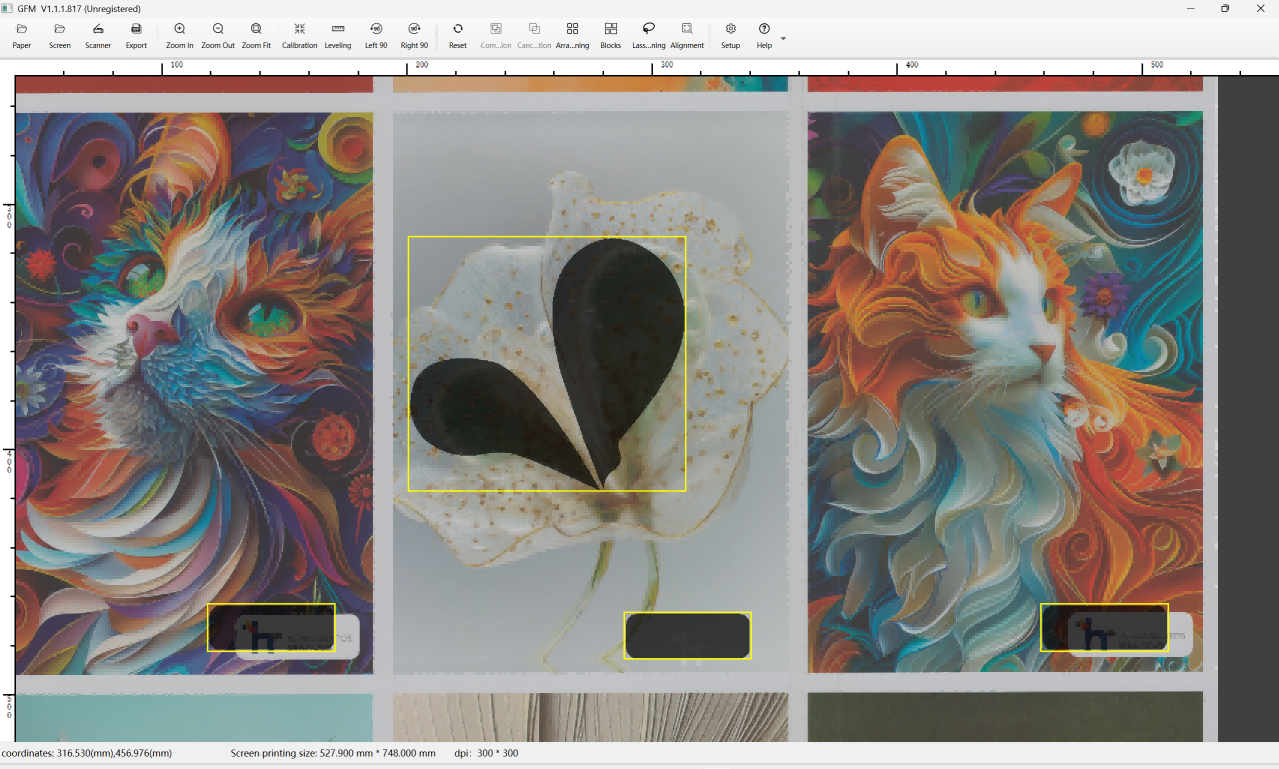
Overlay key edges and registration points for preview.
Generate the corrected artwork for digital platemaking.
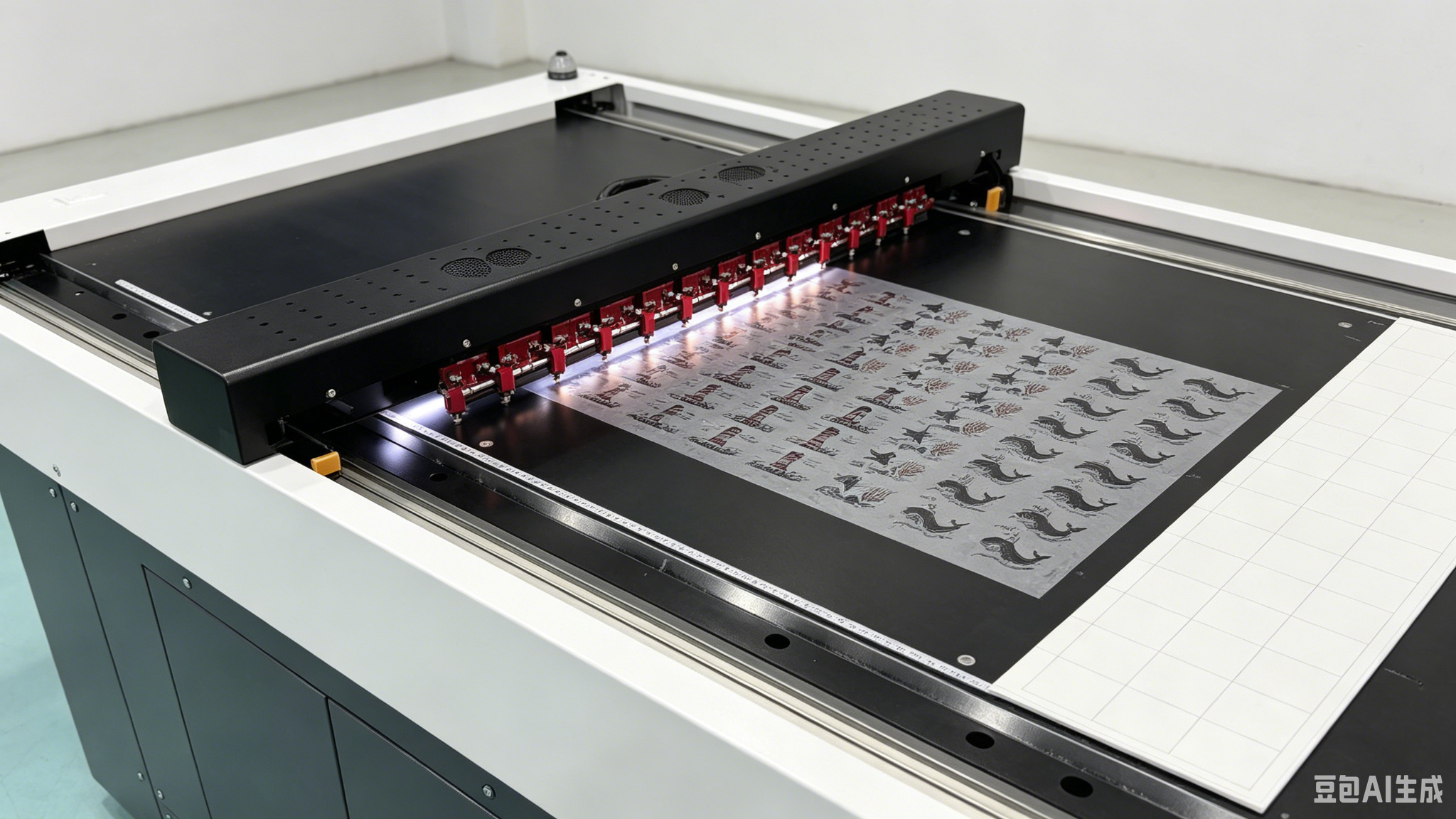
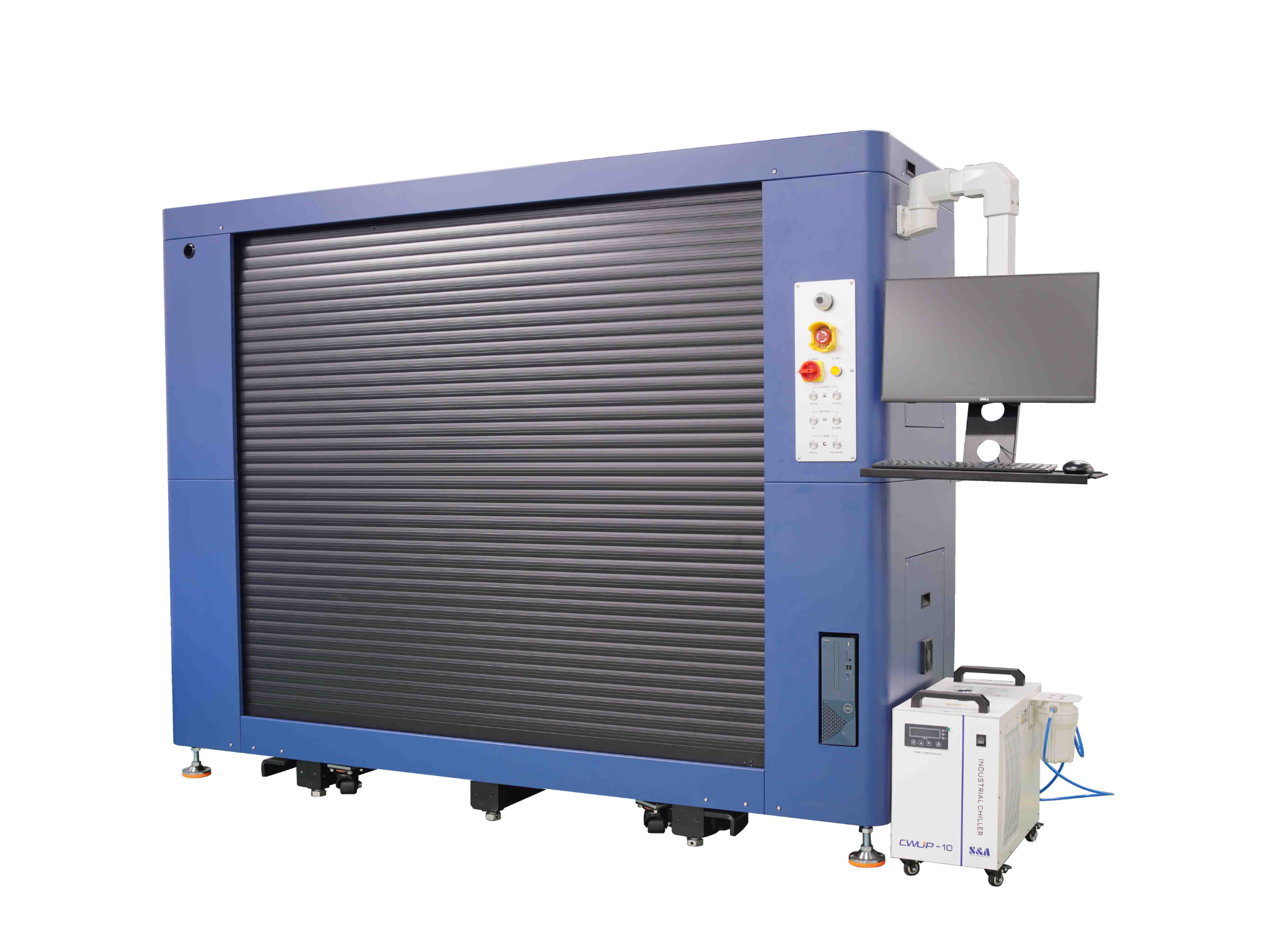
The system combines a large-format scanner, ScanFit software and an LTS laser exposure unit. The scanner captures the real world, the software calculates and compensates, and the LTS unit turns the corrected result into an actual screen.
Captures real printed sheets and digitizes actual image position, contours and material distortion, giving registration analysis a reliable foundation.

Handles scanned image management, automatic registration, global geometry correction, local distortion compensation, result verification and plate file export.

Receives the corrected artwork from ScanFit and images it directly by laser, transferring every digital compensation accurately onto the final screen and closing the loop from scan to plate.
Once registration can be digitized, recorded and re-used, production no longer depends entirely on how one particular master operator adjusts the job.
Rounds of adjustment that used to happen on the press move upstream to the platemaking stage, cutting material, machine time and manual makeready.
Complex registration becomes a repeatable software procedure, shortening preparation time for new jobs.
Corrected artwork can be saved and recalled, improving consistency across repeat orders and different batches.
Deviation becomes visible, adjustment becomes computable, results become storable. Hard-to-replicate operator know-how is gradually transformed into reusable process data for the whole company.
Local varnishing of text, logos, textures and key graphics on color boxes and premium packaging.
Printed sheets that change size after offset, digital printing, lamination or drying.
When different areas deviate in different directions, local compensation reduces manual trade-offs.
For multi-SKU, multi-batch production where corrections can be saved as reusable process data.
Send us your own printed sheets for a test run and see the complete flow: scanning, automatic registration, distortion compensation and LTS laser exposure.